 Find Your Store
The Best Wood Types Across Canada: From the Maritimes to the Rockies

At Windsor Plywood, we understand that choosing the right wood isn’t a one size fits all decision, especially in a country as geographically and climatically diverse as Canada. From the humid ocean air of the Maritimes to the dry winds of the Prairies and the freeze thaw cycles of the Rockies, each region presents its own challenges for wood performance.
Wood is a living material, and how well it performs, indoors or outdoors, depends greatly on the environment around it. With more than 50 years of helping Canadians build decks, cabins, cottages, furniture, and interiors, we know which species excel in each region and why.
Browse Hardwoods & Specialty Lumber
Understanding How Climate Affects Wood Performance
Before choosing a species, it’s important to understand how wood behaves in different conditions. Humidity can cause wood to swell and promote mould and decay, while dry climates can lead to cracking and shrinking. Temperature swings cause repeated expansion and contraction. UV exposure bleaches colour and weakens fibres. Salt air accelerates corrosion and weathering.
These environmental forces directly affect longevity and performance, which is why choosing region-appropriate wood matters.
Explore Outdoor Living & Seasonal Tips
Best Woods for the Maritimes’ Humid Coastal Climate
The Maritimes experience salty air, rain, fog, and constant humidity. Woods for this region must be naturally rot-resistant and able to withstand moisture long-term.
Cedar
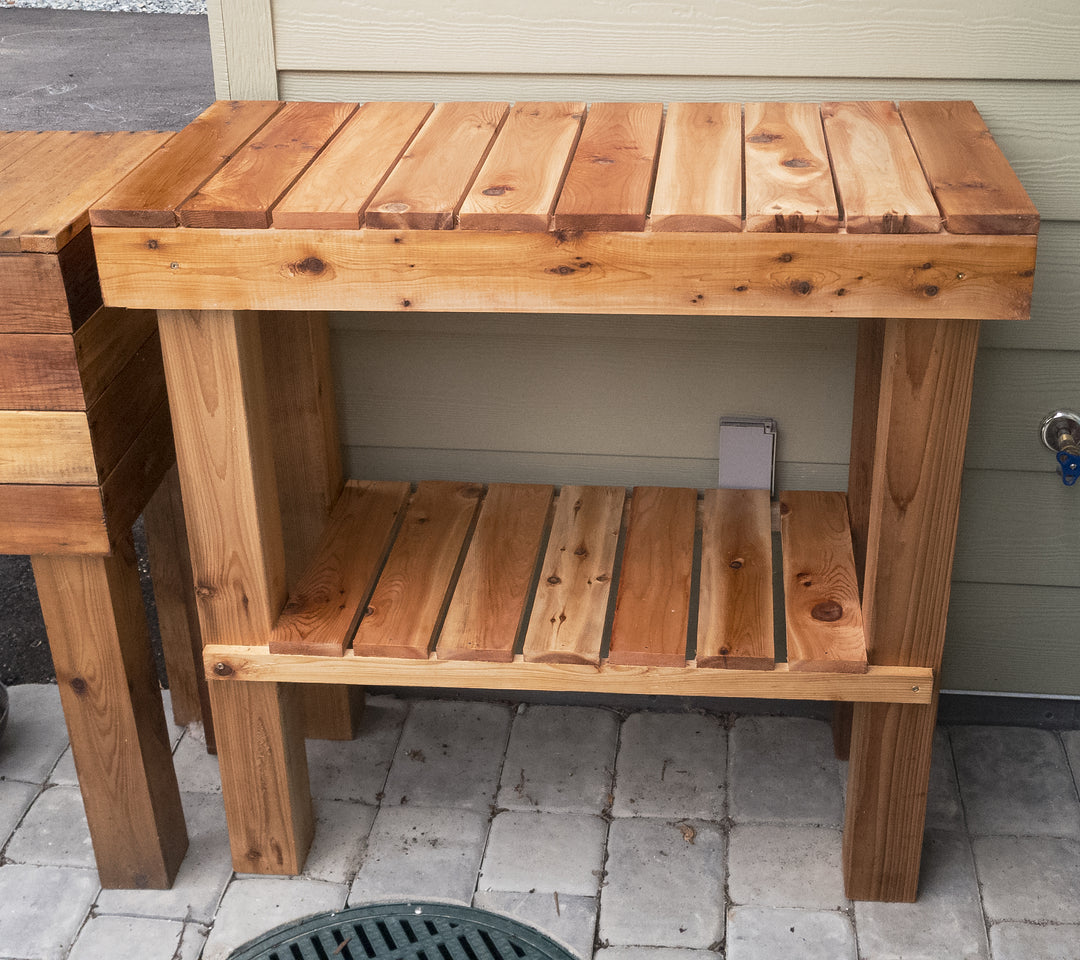
Cedar is one of the most durable woods for coastal climates thanks to its natural oils that resist moisture, decay, and insects. It’s an excellent choice for outdoor projects such as decks, siding, fences, pergolas, and patio furniture. Its ability to dry quickly after rain also makes it ideal for humid, oceanfront environments.
Oak
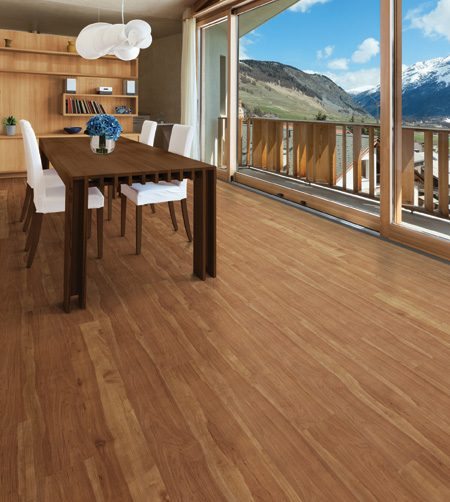
Oak performs well indoors in coastal regions, where its density and stability help it resist movement caused by humidity. It’s well suited to flooring, interior trim, cabinetry, staircases, and custom furniture inside maritime homes.
Teak & Exotic Hardwoods
Teak and similar tropical hardwoods are unmatched for longevity near saltwater. Their dense grain and high natural oil content make them a premium choice for marine applications, upscale outdoor seating, luxury decks, and poolside or waterfront furniture.
Best Woods for Central Canada’s Seasonal Shifts

Ontario and Quebec see temperature extremes, from humid summers to icy winters. Woods used here must handle expansion and contraction effectively.
Maple
Maple is exceptionally strong and dense, making it ideal for cabinetry, flooring, furniture, and interior finishes. Its smooth, fine grain is perfect for modern designs, and its stability allows it to endure seasonal humidity swings indoors.
Birch
Birch is strong, consistent, and smooth-grained. When sealed properly, it stays stable across seasonal shifts, making it an excellent choice for shelving, millwork, trim, furniture, and painted cabinetry.
Ash
Ash offers impressive strength, flexibility, and beautiful grain character. It performs well in interior furniture, benches, doors, wall panelling, and high-contact interior design features.
Best Woods for the Prairies’ Dry and Harsh Conditions

The Prairie provinces are known for dry winds, high UV exposure, and dramatic temperature changes, so wood must resist drying, cracking, and sun damage.
Douglas Fir
Douglas fir excels in dry climates due to its strength and stability. It is often used for beams, mantles, heavy framing, flooring, and exposed architectural features where both structural performance and aesthetics matter.
Cedar
Cedar handles Prairie conditions well when protected from UV exposure. With proper finishing, it performs beautifully in outdoor furniture, decks, screens, pergolas, and exterior cladding, offering long-term resistance to insects and decay.
Engineered Wood Products
Engineered materials such as composite decking, LVL beams, and glulam components thrive in harsh Prairie conditions. They are ideal for pergolas, exterior beams, decking, and large outdoor structures where dimensional stability is essential.
Best Woods for the Rockies and Western Mountain Regions

Mountain climates introduce freeze–thaw cycles, cold temperatures, high UV exposure, and heavy snow loads. Woods here must be strong and resilient.
Spruce
Spruce is the backbone of many mountain homes. It is widely used in framing, sheathing, cabins, and interior structures thanks to its light weight, reliable strength, and ease of installation. When finished properly, it also makes an attractive interior material.
Douglas Fir
Douglas fir is one of the strongest and most stable timbers available. It’s commonly chosen for mountain beams, posts, trusses, deck structures, and decorative timber framing because it handles temperature swings extremely well.
Hemlock
Hemlock is affordable, workable, and ideal for interior finishing in cold regions. It performs well in panelling, trim, interior framing, and ceiling elements, offering a durable and attractive option for cabin-style design.
How to Choose and Maintain Wood for Your Region
Choosing the right species is only half of the equation, and proper preparation and maintenance extend its lifespan significantly.
1. Select Wood Suited to Your Climate
Coastal regions benefit from rot-resistant species like cedar and teak. Seasonal climates do best with stable hardwoods such as maple or ash. Dry regions favour fir and engineered materials. Mountain climates need woods that withstand structural stress.
2. Apply the Right Sealants
Exterior wood should be finished with UV-resistant, moisture-blocking sealers. Interior wood benefits from breathable finishes that allow natural expansion and contraction.
3. Allow Wood to Acclimate
Let wood adjust to your home’s conditions for 48–72 hours before installation, longer in very humid or very dry regions.
4. Store Wood Properly
Ensure your wood is stored off the ground, protected from the elements, and supported evenly to prevent bowing or cupping.
5. Maintain Regularly
Refresh exterior finishes every 1–3 years depending on regional exposure. Indoors, clean and inspect periodically to prevent dry-out or finish wear.
Best Woods for Canadian Climates – Frequently Asked Questions
What is the most durable wood for outdoor use in Canada?
Cedar remains the most widely used durable outdoor wood thanks to its natural resistance to rot and insects. For the highest performance, teak and ipe offer unmatched longevity in coastal or high-moisture regions.
Is cedar good for outdoor furniture and decks?
Yes. Cedar is one of the best choices for outdoor furniture, pergolas, fences, and decking. Its natural oils help it resist moisture and decay, and with a UV-protective finish, it maintains colour and stability for decades.
Which Canadian hardwoods are best for indoor furniture?
Maple, birch, and ash are ideal. Maple provides density and durability for high-use pieces; birch offers stability and a smooth surface for painted or stained furniture; ash delivers strength with a beautiful grain suited for statement pieces.
Does climate affect how often wood needs to be sealed?
Yes. Dry, sunny regions like the Prairies require more frequent sealing because UV rays break down finishes faster. Damp coastal climates require moisture-resistant finishes, while cold climates benefit from flexible coatings that tolerate expansion and contraction.
What’s the best wood for decks in cold weather?
Cedar and pressure-treated lumber perform exceptionally well in cold climates. Cedar naturally withstands moisture and freeze–thaw cycles, while pressure-treated lumber offers strength and value. Composite decking is also a great low-maintenance option.
How do I protect wood from humidity and rot near the coast?
Choose rot-resistant species like cedar, teak, or white oak. Use a high-quality exterior sealer, ensure proper airflow around structures, and apply finish to all sides, including end grain, to prevent moisture penetration.
Next steps
Browse options or visit your nearest store for product-specific guidance and certifications.