

 Find Your Store
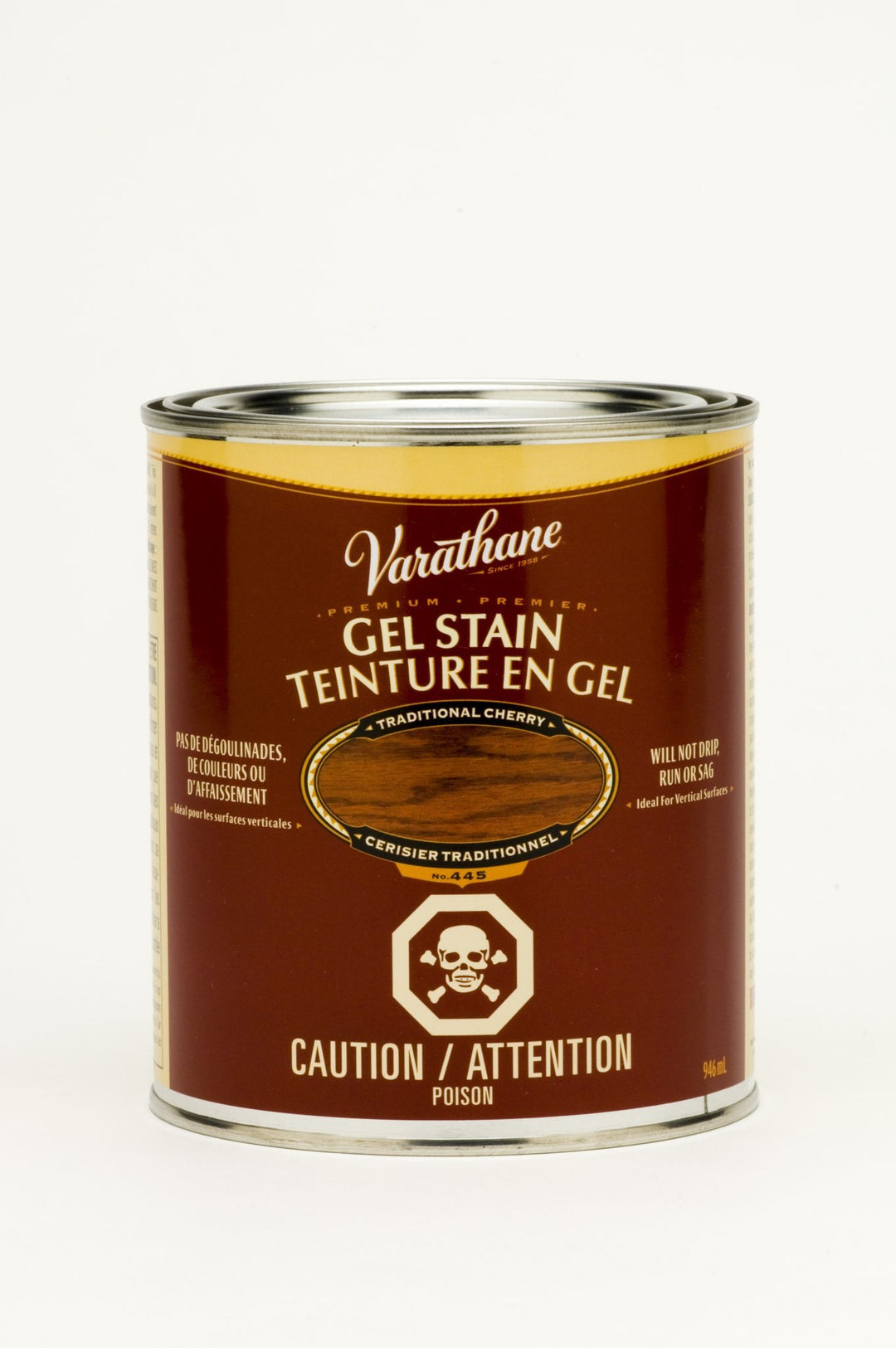
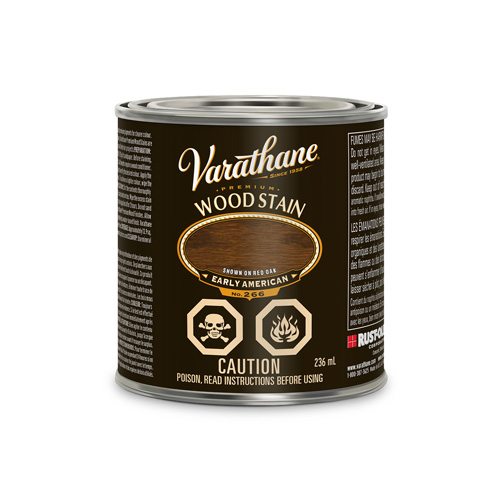
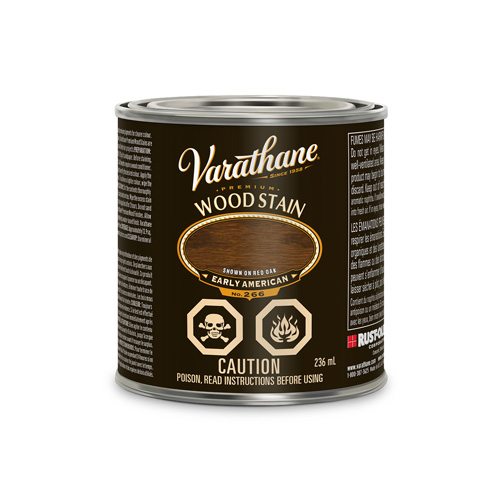
Enhance the natural beauty of wood with high-quality stains. Whether you're finishing a hardwood floor, refinishing furniture, or adding rich colour to trim, cabinetry, or exterior woodwork, we offer a wide selection of oil- and water-based stains to suit your project. Available in a variety of tones—from clear and natural finishes to deep, bold hues—our stains are designed to bring out the grain while offering long-lasting protection. Perfect for both interior and exterior applications, our stain products are trusted by professionals and DIYers alike for their ease of application, durability, and beautiful results. As a proudly Canadian company with locally owned stores, Windsor Plywood specializes in hard-to-find wood finishing solutions and provides expert, one-on-one advice to help you achieve the perfect finish. Visit your local store to explore our full range of stains and bring warmth and character to your next project.
Frequently Asked Questions
What is the difference between an interior and exterior wood stain?
Exterior stains contain UV inhibitors, mildewcides, and water-repellent additives designed to withstand sunlight, rain, and temperature cycling. Interior stains do not contain these outdoor-rated additives and will degrade quickly in exterior conditions. Using interior stain outdoors is a common mistake that leads to early failure and significant maintenance work.
How do I choose between an oil-based and water-based wood stain?
Oil-based stains penetrate deeply and typically produce richer, more saturated colour with a slightly longer working time. Water-based stains dry faster, clean up with water, produce less odour, and are improving in colour depth with newer formulations. Both work well and the choice often comes down to working preference and cleanup convenience.
Do I need to apply a topcoat over wood stain?
Penetrating stains that soak into the wood do not require a topcoat and are applied as a stand-alone finish. Film-forming stains build a surface layer and are their own finish. If you use a dye-based or thin stain intended purely for colour, a protective topcoat like polyurethane is needed to protect both the stain colour and the wood surface.
How do I prepare wood properly before staining?
Sand with the grain in progressive grits, typically 80, 120, and 180 for furniture and 60 and 80 for rough wood. Remove all dust with a vacuum and tack cloth. Apply a pre-stain conditioner on blotch-prone species like pine and alder to promote even stain absorption. Staining over an unsanded or dust-contaminated surface produces an uneven, rough result.
Can I stain over existing stain or finish?
Generally no. Existing finish blocks the new stain from penetrating the wood. The surface must be stripped to bare wood and sanded before restaining for consistent colour. In some cases, compatible products can be used for toning or darkening an existing stain finish, but this requires testing in an inconspicuous area first and only works within a limited range.