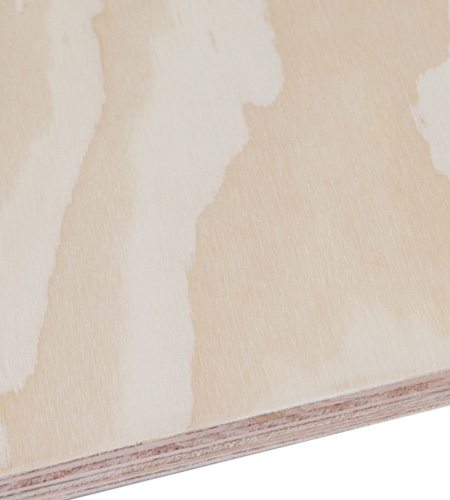
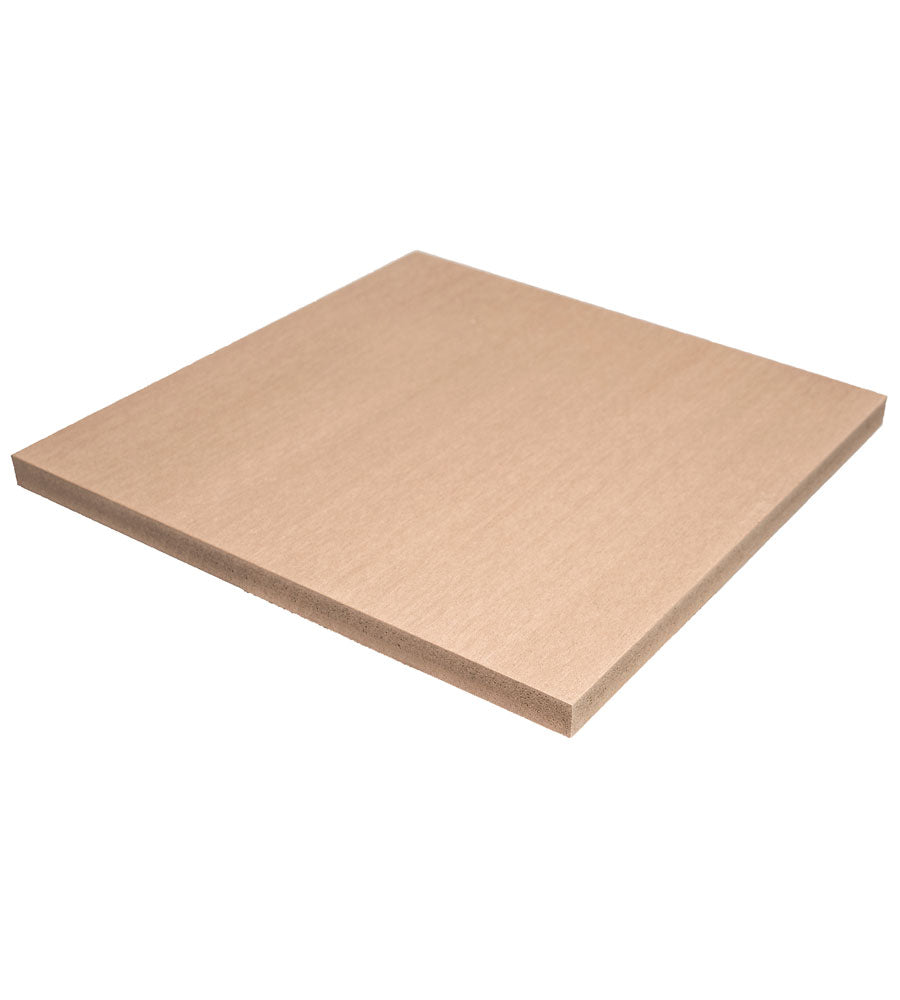
Marine Fir Plywood is engineered for applications where exposure to moisture, humidity, and outdoor conditions is expected for extended periods. It is manufactured with WBP (Weather and Boil Proof) exterior-grade glue and a void-free core construction -- meaning no gaps or voids between plies that could trap water, cause delamination, or create weak spots under fasteners. The AB grade face gives a clean, workable surface on both sides. Used by boatbuilders, dock contractors, and outdoor construction professionals across Canada.
Features
- WBP (Weather and Boil Proof) exterior-grade glue -- designed for prolonged moisture exposure
- Void-free core construction -- no gaps between plies, consistent fastener holding throughout
- AB grade -- clean, sanded surface on both faces, usable on both sides
- Douglas Fir species -- strong, stable, and widely accepted in marine and outdoor construction
- Available in five thicknesses from 1/4" to 3/4" -- standard 4 x 8 ft sheets
- Suitable for boat building, docks, exterior cabinetry, and high-moisture construction applications
Specifications
| Species |
Douglas Fir |
| Grade |
AB -- clean face both sides |
| Glue Type |
WBP (Weather and Boil Proof) exterior-grade adhesive |
| Core Construction |
Void-free -- no gaps or voids between plies |
| Sheet Size |
4 x 8 ft (122cm x 244cm) |
| Thicknesses Available |
1/4" (6mm), 3/8" (8mm), 1/2" (11mm), 5/8" (14mm), 3/4" (19mm) |
| Surface Finish |
Sanded both sides (S2S) -- usable on both faces |
| Certification |
Confirm BS 1088 or equivalent certification with your local Windsor Plywood location |
| Availability |
In-store -- some thicknesses may be special order. Confirm stock with your local Windsor Plywood location. |
Common Uses
Marine Fir Plywood is the standard choice for boat hulls, transom boards, deck substructures, dock construction, exterior cabinetry, outdoor furniture, and any structural application where prolonged moisture exposure is expected. The void-free core is particularly important in boat building -- voids trap water, accelerate rot, and create unpredictable weak points under fasteners and hardware.
Pairs Well With
For above-deck or interior boat applications requiring a premium hardwood face, see Birch Aircraft Plywood -- another void-free, high-grade option used in aviation and marine construction. For general exterior structural applications where marine grade is not required, Birch Plywood is a cost-effective alternative. For tropical marine applications, Tropical Marine Plywood is also available at Windsor Plywood.
Pro Tips
- Seal all cut edges immediately after cutting -- end grain absorbs moisture faster than the face veneer and is the most common entry point for delamination.
- Use stainless steel, bronze, or hot-dipped galvanized fasteners only. Standard zinc-plated screws will corrode in marine environments and stain the wood surface.
- Apply a minimum of two coats of epoxy, marine varnish, or exterior primer to all surfaces before installation -- even in covered or protected applications.
Frequently Asked Questions
What makes marine plywood different from exterior plywood?
Both use exterior-grade WBP glue, but marine plywood requires a void-free core -- no gaps or voids between plies. Standard exterior plywood can have voids in the inner plies. In marine and high-moisture applications, those voids trap water, accelerate rot, and create weak points under fasteners. Marine grade eliminates that risk.
Is this product BS 1088 certified?
BS 1088 is the internationally recognised standard for marine plywood, specifying void-free core, WBP adhesive, and minimum veneer quality requirements. Confirm certification status with your local Windsor Plywood location before purchasing for applications where certification is a project requirement.
Can marine plywood be used for boat building?
Yes. Marine Fir Plywood is used for boat hulls, transoms, bulkheads, and structural panels. The void-free core and WBP glue are the minimum requirements for any plywood used in direct water contact. For topside and interior applications, a hardwood-faced marine ply may be specified -- ask your local branch about available options.
What thickness should I use for my application?
Thickness selection depends on the structural load and application. As a general guide: 1/4" for interior panels and lightweight skin applications, 3/8" to 1/2" for hull planking on smaller craft, 5/8" to 3/4" for transoms, structural bulkheads, and dock decking. For engineered or regulated applications, always follow the project specifications.
How should I finish marine plywood?
Seal all surfaces and edges with epoxy before applying your topcoat. Two-part epoxy provides the best moisture barrier. Follow with marine varnish, anti-foul paint, or primer depending on the application. Never leave marine plywood unfinished -- even temporary exposure accelerates moisture absorption at the edges.
 Find Your Store