

 Find Your Store
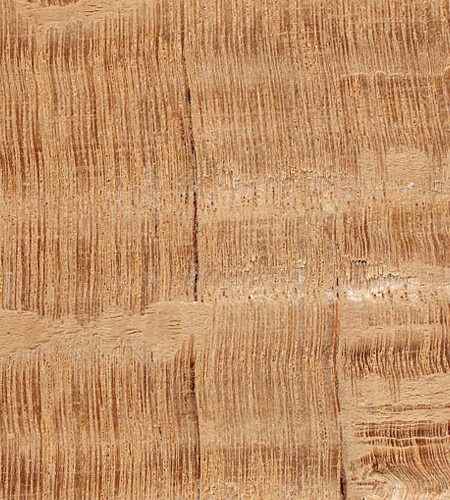
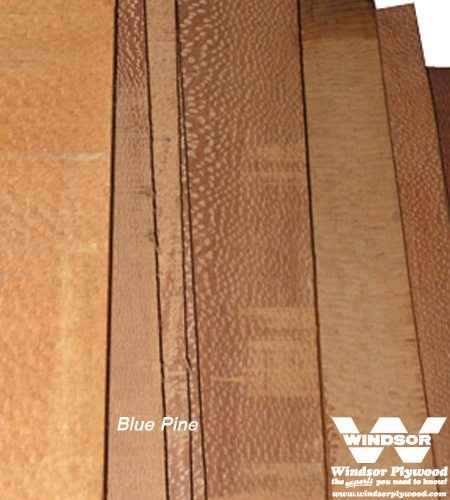
Distinctive and eye-catching, lacewood is an exotic hardwood prized for its unique, shimmering grain pattern that resembles lace or leopard spots. We offer select lacewood lumber and turning blanks perfect for fine furniture, cabinetry, veneers, musical instruments, and specialty woodworking projects that call for standout aesthetics. Lacewood features a light reddish-brown to pinkish hue with silvery flecks that create a dramatic, almost iridescent appearance when quarter-sawn. It machines and finishes well, making it a favourite among artisans and woodturners seeking both beauty and workability in one material. As a proudly Canadian company, Windsor Plywood specializes in sourcing rare and hard-to-find wood species with personalized service and expert advice. Whether you’re designing a showpiece or adding a touch of elegance to a custom creation, lacewood brings texture, depth, and natural artistry to every project.
Frequently Asked Questions
What is lacewood and what makes it distinctive?
Lacewood is the commercial name for quartersawn Australian silky oak (Cardwellia sublimis) and related species, named for the distinctive lace-like pattern produced by the large medullary rays visible on quartersawn surfaces. The ray fleck in lacewood is larger and more prominent than in quartersawn oak, producing a striking decorative pattern in a pale reddish-brown to tan colour.
What applications is lacewood used for?
Lacewood is used for decorative furniture panels, veneer, cabinetry accents, musical instrument backs and sides, small boxes, and turning projects where the distinctive ray figure is the design feature. It is most commonly used as a veneer in furniture and architectural panelling where the visual impact is desired without the cost of solid lacewood for large surfaces.
How is lacewood best finished?
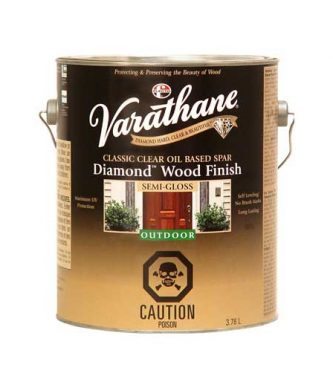
Clear oil finishes and varnishes that do not obscure the distinctive figure are the best choices for lacewood. The ray fleck pattern becomes more vivid with a clear penetrating finish. Oil-based finishes with UV inhibitors help preserve the warm colour. Water-based finishes may raise the grain more on lacewood's open ray cells and require additional sanding between coats.
Is lacewood difficult to work with?
Lacewood can be prone to tearout along the prominent ray cells if worked against the grain. Sharp tools and light passes when hand planing or routing are important. It sands cleanly to a smooth surface. The open ray structure means it absorbs finish unevenly between the rays and the surrounding wood — a shellac sealer coat before applying a topcoat produces more consistent results.
Does Windsor Plywood carry lacewood?
Windsor Plywood carries lacewood as a specialty exotic hardwood subject to current availability. Contact your local Windsor Plywood branch to confirm whether lacewood is currently in stock and in the dimensions required for your project.