 Find Your Store
Maple Birch and Beyond Building with Canadas Native Hardwoods

For more than 50 years, Windsor Plywood has been helping Canadians build with the finest hardwoods our forests have to offer. Throughout those decades, we’ve supported professionals, DIYers, and hobbyists alike as they choose the right materials for cabinetry, furniture, flooring, millwork, and specialty woodworking projects.
Canada’s native hardwoods, shaped by cold winters, unique growing conditions, and sustainable forestry practices, offer remarkable beauty, strength, and reliability. Whether you're working on a custom dining table or your first woodworking project, selecting the right species sets the foundation for outstanding results. Our goal is to give you the insight you need to choose confidently.
Browse Hardwoods & Specialty Lumber
The Traits That Make Native Hardwoods Special
After half a century in the lumber industry, we’ve come to appreciate the characteristics that make Canadian hardwoods so dependable and well-loved by builders across the country.
- Strength & Stability: Slow-growing species develop dense fibres that resist movement, warping, and wear.
- Fine, Workable Grain: Perfect for clean joinery, smooth surfaces, and predictable finishing.
- Natural Character: Climate and soil variations produce unique grain patterns and colour tones.
- Performance in Canadian Homes: These woods adapt well to seasonal humidity and temperature changes.
- Long-Term Durability: Ideal for projects designed to last, including furniture, flooring, cabinets, and structural woodworking.
Explore Canadian Hardwoods Collection
Spotlight on Maple, Birch, Oak, and Ash
Maple Hardwood
Maple is one of Canada’s most iconic hardwoods, strong, pale, and beautifully smooth.
Best uses:
- Kitchen cabinetry
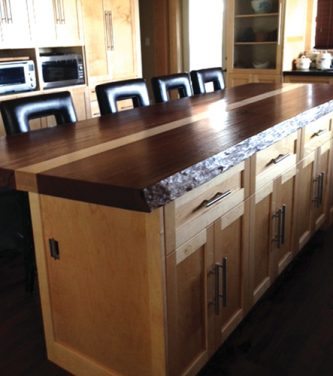
- Tabletops and countertops
- Cutting boards
- Flooring
- Furniture with a clean, modern look
Why choose maple:
Its fine grain gives a polished, contemporary appearance. Hard maple is extremely durable, making it ideal for surfaces that take daily wear. It stains less evenly than birch or ash, but with proper conditioning, it produces stunning results.

Birch Hardwood
Birch is versatile, affordable, and beginner-friendly, ideal for woodworking at any skill level.
Best uses:
- Millwork and trim
- Drawer boxes
- Shelving
- Veneers
- Furniture and built-ins
Why choose birch:
Birch machines smoothly, stains evenly, and offers excellent value. Its warm tone and subtle grain make it suitable for both modern and traditional designs. For project builders on a budget, it’s one of the best-performing hardwood options.

Oak Hardwood
Oak has remained a Canadian favourite for generations thanks to its durability and bold, textured grain.
Best uses:
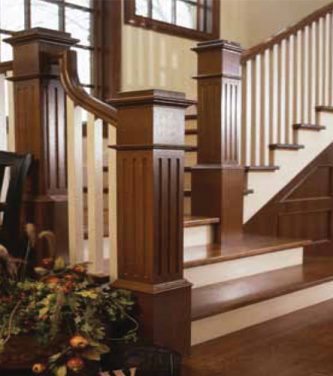
- Flooring and staircases
- Mantles and railings
- Traditional cabinetry
- Rustic or heritage-style furniture
- Steam-bent furniture elements
Why choose oak:
Oak’s pronounced grain adds character and dimension, especially when stained. It’s extremely stable and handles heavy-use environments exceptionally well. For projects meant to be long-lasting or heirloom quality, oak is a top choice.

Ash Hardwood
Ash offers an appealing blend of strength, light weight, and striking grain texture.
Best uses:
- Furniture frames
- Tool handles or sports equipment
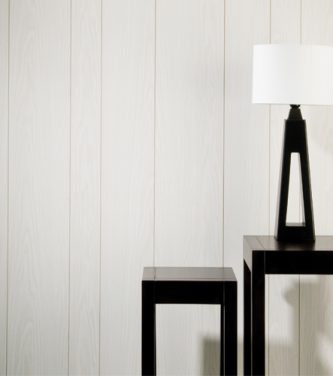
- Accent walls and millwork
- Modern furniture with grain character
Why choose ash:
Ash machines beautifully, stains consistently, and has an open grain that adds visual interest. For customers wanting the strength of oak with a slightly lighter, fresher look, ash is an excellent alternative.

Comparing Grain, Colour, and Workability
| Hardwood | Grain Pattern | Colour Range | Hardness / Durability | Best Uses | Workability Notes |
|---|---|---|---|---|---|
| Maple | Fine, uniform | Cream to pale brown | Very hard | Cabinets, cutting boards, floors, furniture | Needs sharp tools; can burn with slow cuts |
| Birch | Tight, subtle | Light yellow to warm brown | Moderately hard | Millwork, shelving, furniture | Beginner-friendly; stains evenly |
| Oak | Strong, open grain | Tan to reddish brown | Highly durable | Floors, mantles, heritage furniture | Excellent for bending; may require grain filler |
| Ash | Open, pronounced | Cream to light brown | Strong but lightweight | Furniture, décor, handles | Machines cleanly; takes stain well |
Sustainability and Responsible Sourcing in Canada
As a proudly Canadian company, we’ve always understood the importance of responsible forestry. Canada’s forestry standards are among the strictest in the world, ensuring healthy forests and long-term sustainability.
At Windsor Plywood:
- Our hardwoods come from mills that follow responsible harvesting practices.
- We support suppliers who prioritize reforestation and biodiversity.
- We ensure you have access to high-quality hardwoods that you can feel good about using.
Choosing Canadian hardwoods supports our forests, our communities, and long-term environmental stewardship.
Choosing the Right Hardwood for Your Project
The right species depends on how your project will look, function, and age over time. Here are the key considerations we share with customers daily:
Look & Aesthetic Goals
- Subtle grain: Choose maple or birch.
- Bold, visible grain: Choose oak or ash.
- Light, modern appearance: Maple or ash.
- Warm, traditional style: Oak or birch.
Durability Requirements
- High-wear surfaces: Maple or oak.
- Light-use furniture: Birch or ash.
- Floors: Oak or maple are top performers.
Workability
- Easiest to machine: Birch or ash.
- More advanced: Maple (requires sharper tools).
- Heavier but predictable: Oak.
Finishing Goals
- Best for staining: Birch, ash, oak.
- Cleanest for paint/clearcoat: Maple.
Budget
- Birch offers the best economy.
- Ash provides premium appeal at a mid-range cost.
- Maple and oak offer top durability but at a higher price point.
Project Selection Checklist
☐ What look and grain style do I want?
☐ How much wear will this project experience?
☐ Am I staining, oiling, or clear finishing the wood?
☐ Do I have the tools and experience needed for harder species?
☐ What is my material budget?
☐ Do I want a sustainable, Canadian-sourced hardwood?
☐ Does the project require bending, turning, or complex joinery?
Get Expert Project Advice & Hardwood Quotes
Caring for and Finishing Canadian Hardwoods
A good finish brings out the wood’s natural beauty and protects it for decades. Based on our 50+ years helping customers finish projects, here are the steps we recommend:
Step-By-Step Finishing Guide
- Sand evenly through the grits: 80 → 120 → 180 (or 220 for maple).
- Remove dust completely: Use a vacuum or tack cloth.
-
Select the right finish:
- Oils for natural beauty
- Stains for deeper tones
- Polyurethane/varnish for maximum protection
- Apply thin, even coats: This ensures better curing and fewer imperfections.
- Buff lightly between coats: Especially with clear finishes.
- Maintain regularly: Clean gently and recoat as needed over time.
Browse Finishes, Sealers & Maintenance Products
Building with Canada’s Native Hardwoods — Frequently Asked Questions
What is the most durable Canadian hardwood for furniture?
Hard maple and oak are the most durable options. Maple offers exceptional hardness and a clean look ideal for modern furniture. Oak provides long-term strength and a bold grain suited to traditional and rustic designs. For surfaces that see heavy daily use—like dining tables, desks, or even commercial applications—these two species are our top recommendations.
Which hardwood is best for cabinetry?
Maple and birch are the most common cabinetry choices across Canada. Maple’s subtle grain gives cabinets a smooth, modern finish, especially when painted or clear-coated. Birch offers excellent value, stains beautifully, and works well in both classic and contemporary designs. For homeowners wanting visible grain patterns, oak cabinetry is a timeless alternative.
How can I tell if hardwood is sustainably sourced?
At Windsor Plywood, we partner with mills that follow Canada’s rigorous forestry standards, so customers can feel confident the hardwoods they purchase support responsible resource management. Look for certification labels, ask where the wood was harvested, and choose suppliers who can speak clearly about their sourcing practices. Sustainability is part of our commitment to quality.
Are Canadian hardwoods good for flooring in humid areas?
Yes. Oak is one of the most stable species for flooring and performs exceptionally well across Canada’s diverse climates. Maple also makes a beautiful, durable floor when properly acclimated before installation. We recommend letting the boards rest in your home for several days before installation to reduce seasonal expansion and contraction.
How should I maintain Canadian hardwood surfaces over time?
Regular care will keep your hardwoods looking their best for decades:
- Dust frequently with a soft cloth.
- Use gentle, non-abrasive cleaners.
- Refresh oil finishes every 1–2 years as needed.
- Recoat polyurethane finishes when wear becomes visible.
- For floors, keep humidity levels consistent to minimize seasonal movement.
Our team can recommend the right cleaners and finishes for each species.