



 Find Your Store
Frequently Asked Questions
What is stair nosing used for?
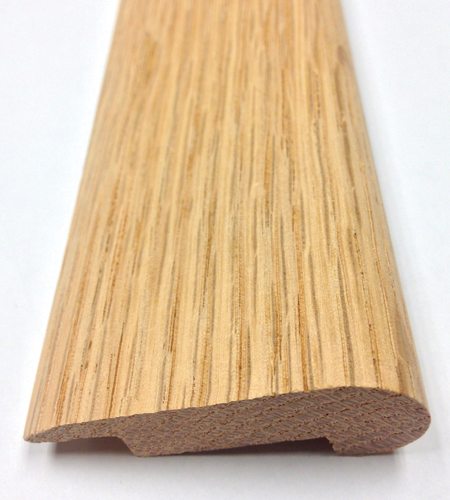
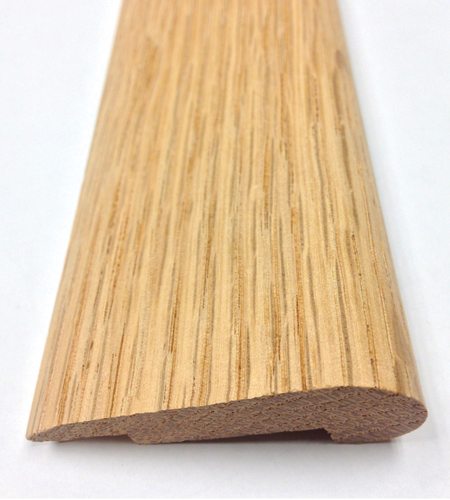
Stair nosing is the transition trim piece applied to the leading edge of a stair tread where it meets the flooring at the top of a staircase, or as a bullnose cap on individual treads. It provides a finished edge, defines the step boundary visually, and adds wear protection to the most heavily trafficked part of each tread.
Does stair nosing need to match my flooring exactly?
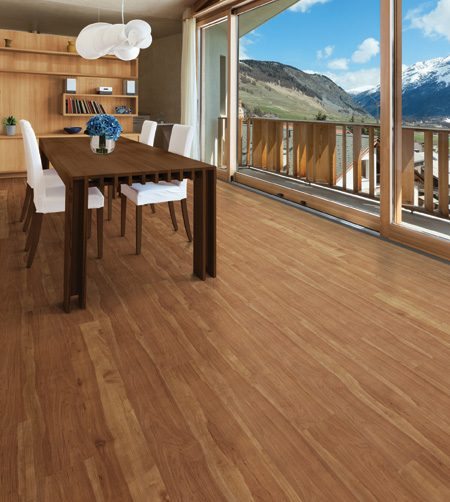
For the cleanest look, stair nosing should match the flooring in species, colour, and finish. Windsor Plywood carries nosing in maple and oak that coordinates with the most common hardwood and laminate flooring options. A close match is most important at the top landing transition where nosing meets the main floor.
What is the standard nosing overhang dimension?
The National Building Code of Canada specifies that nosing shall not project more than 25mm (1 inch) beyond the face of the riser below. The minimum nosing is typically around 15mm. Most residential nosing products are designed within this range. Confirm dimensions against your specific code requirements.
Can stair nosing be installed over existing flooring?
Yes. Pre-finished hardwood nosing can be adhered and fastened over an existing tread surface in renovation applications. The substructure must be sound. The nosing height should integrate cleanly with the existing tread depth and riser to maintain code-compliant geometry and a safe step.
What materials are stair nosing available in at Windsor Plywood?
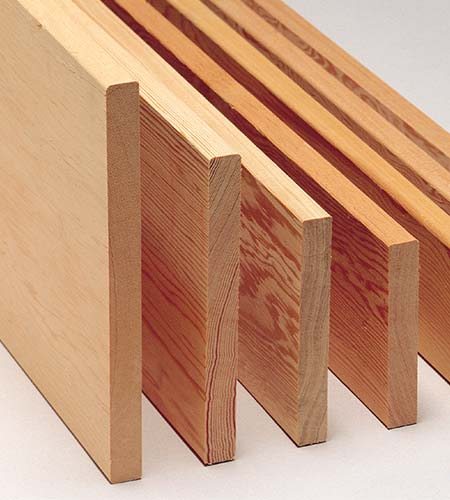
Stair nosing is available in solid hardwood including oak and maple, laminate-matched profiles, and MDF for painted applications. Hardwood nosing is the most durable choice for high-traffic staircases. Laminate-matched nosing provides the closest visual match to floating laminate flooring installed at the top of a staircase.