

 Find Your Store
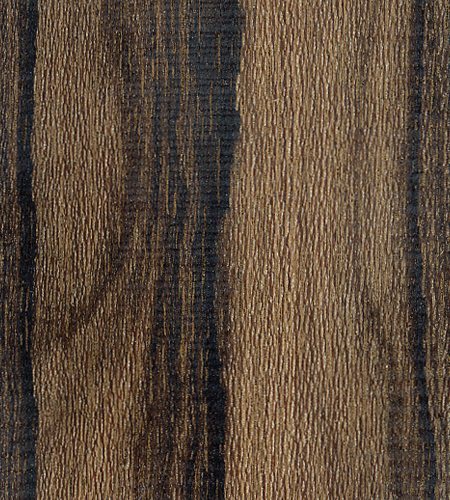
Luxurious, dense, and visually captivating, Ziricote is an exotic hardwood prized for its bold grain patterns and deep, rich tones. We offer select Ziricote lumber and turning blanks ideal for fine furniture, custom instruments, inlays, decorative accents, and high-end woodworking projects that demand both elegance and distinction. Native to Central America, Ziricote features a dark brown to black base with dramatic swirling grain lines and spiderweb-like figuring, often contrasted by lighter sapwood. Its natural beauty and density make it a favourite among luthiers and artisans, while its excellent stability and ability to take a high polish make it suitable for refined, detail-oriented work. As a proudly Canadian company, Windsor Plywood specializes in rare and hard-to-find wood species with expert, personalized service. Whether you're crafting a one-of-a-kind heirloom or a bold accent piece, Ziricote brings unmatched luxury, depth, and artistry to your project.
Frequently Asked Questions
What makes a wood species a specialty or hardwood lumber at Windsor Plywood?
Specialty lumber includes domestic hardwoods like maple, walnut, oak, cherry, ash, and alder used primarily for furniture, cabinetry, and fine woodworking rather than structural applications. Exotic species sourced internationally also fall in this category. These are premium materials sold by the board foot rather than by the linear foot.
What does board foot mean when buying hardwood lumber?
A board foot is a volume measurement equal to a piece of wood 12 inches wide, 12 inches long, and 1 inch thick, or any equivalent volume. When you buy hardwood lumber by the board foot, the price accounts for the width and thickness of the actual board, not just its length. Wider and thicker boards cost more per linear foot.
What hardwood species is best for cabinetry?
Hard maple is the industry standard for painted or stained cabinet boxes and doors due to its hardness, fine consistent grain, and smooth machining characteristics. Cherry and walnut are popular for stained natural finishes where visual warmth is important. Oak is traditional and widely available; its open grain requires filling for the smoothest painted finish.
Can I purchase hardwood lumber at Windsor Plywood in smaller quantities?
Yes. Windsor Plywood sells hardwood lumber by the piece and by the board foot, not only in full bundles. This makes it accessible for smaller woodworking projects, furniture repairs, and custom builds where only a few boards are needed. Staff can help select pieces for grain, figure, and defect-free requirements.
What is the difference between quarter-sawn and flat-sawn hardwood?
Quarter-sawn lumber is cut so the growth rings run roughly perpendicular to the board face, producing a tighter, straighter grain pattern with a distinctive ray fleck in some species like oak. It is more dimensionally stable and resists cupping. Flat-sawn produces wider boards with a cathedral grain pattern and is the more common and affordable cut.