

 Find Your Store
Sustainable, innovative, and crafted for lasting beauty, Woodtone is a premier brand offering exterior and interior building materials designed to enhance the aesthetic and performance of any project. Woodtone products offer the natural beauty of wood combined with the durability of modern technology. With a focus on environmentally friendly practices, Woodtone offers stained wood products and wood-alternative solutions that resist fading, moisture, and wear, ensuring long-lasting performance in all weather conditions. Whether you're building a custom home, updating your exterior, or crafting a stunning outdoor living space, Woodtone delivers beauty, strength, and reliability for projects that stand the test of time. As a proudly Canadian company, Windsor Plywood is committed to offering sustainable, high-quality brands like Woodtone, backed by expert advice and personalized service.
Frequently Asked Questions
What is shiplap and how does it differ from tongue-and-groove panelling?
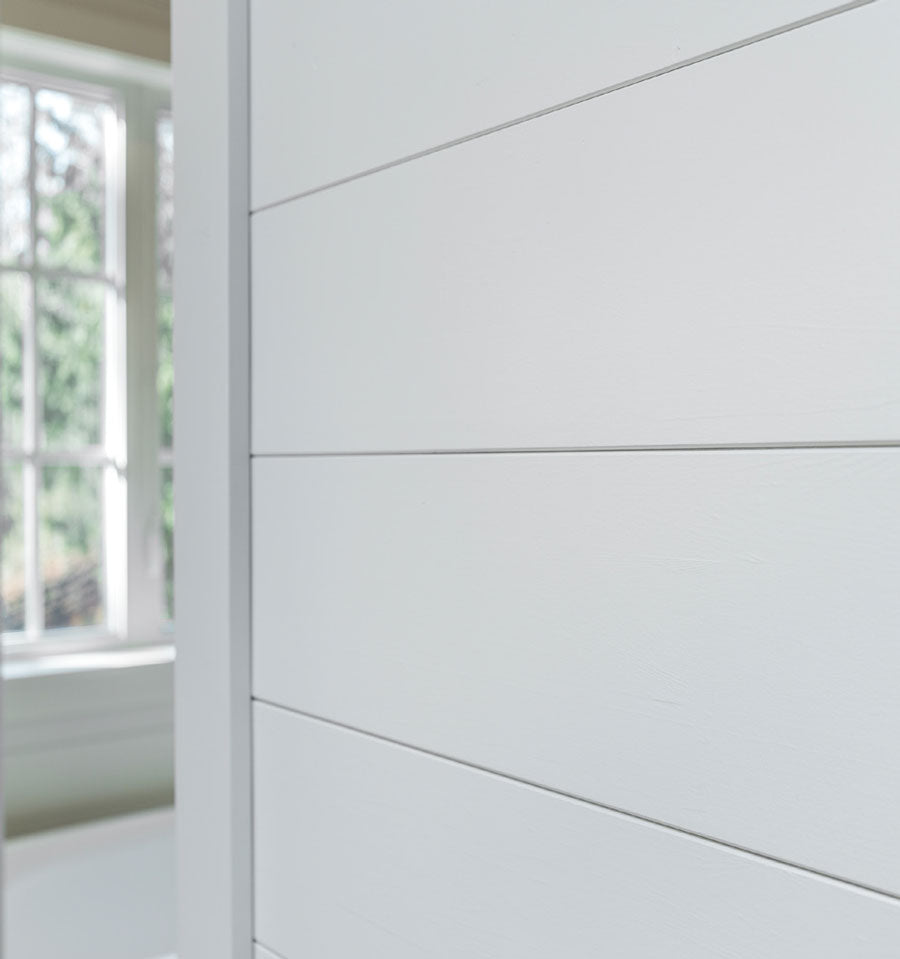
Shiplap has a rabbet cut on each long edge, creating an overlapping joint between boards that leaves a small, consistent reveal gap. Tongue-and-groove joins boards with a tight interlocking profile that eliminates the gap. Shiplap's reveal gap creates shadow lines that add texture and visual depth, the defining aesthetic of the shiplap look.
Is shiplap suitable for exterior use?
Yes. Shiplap is one of the traditional exterior siding profiles and performs well when installed in the correct orientation with proper drainage. Exterior shiplap should be in a species with natural decay resistance or be treated, and must be primed and painted on all faces and edges before installation. Interior shiplap products are not rated for exterior exposure.
What is the standard gap reveal on shiplap panelling?
The shadow gap on typical residential shiplap is between 1/8 inch and 1/4 inch. Wider reveals create a more pronounced texture; narrower reveals read as a subtler surface. The reveal size is built into the board profile, so you do not adjust it during installation. Choose a profile with the reveal size that matches the look you want.
Can shiplap be installed on a ceiling?
Yes, and ceiling shiplap installations are increasingly popular in both rustic and contemporary interiors. The installation process is the same as wall shiplap, using finish nails into ceiling joists. Lighter-weight MDF shiplap is easier to handle overhead than solid wood. Confirm that the ceiling framing spacing aligns with the board width for full support.
Does shiplap need to be painted or can it be left natural?
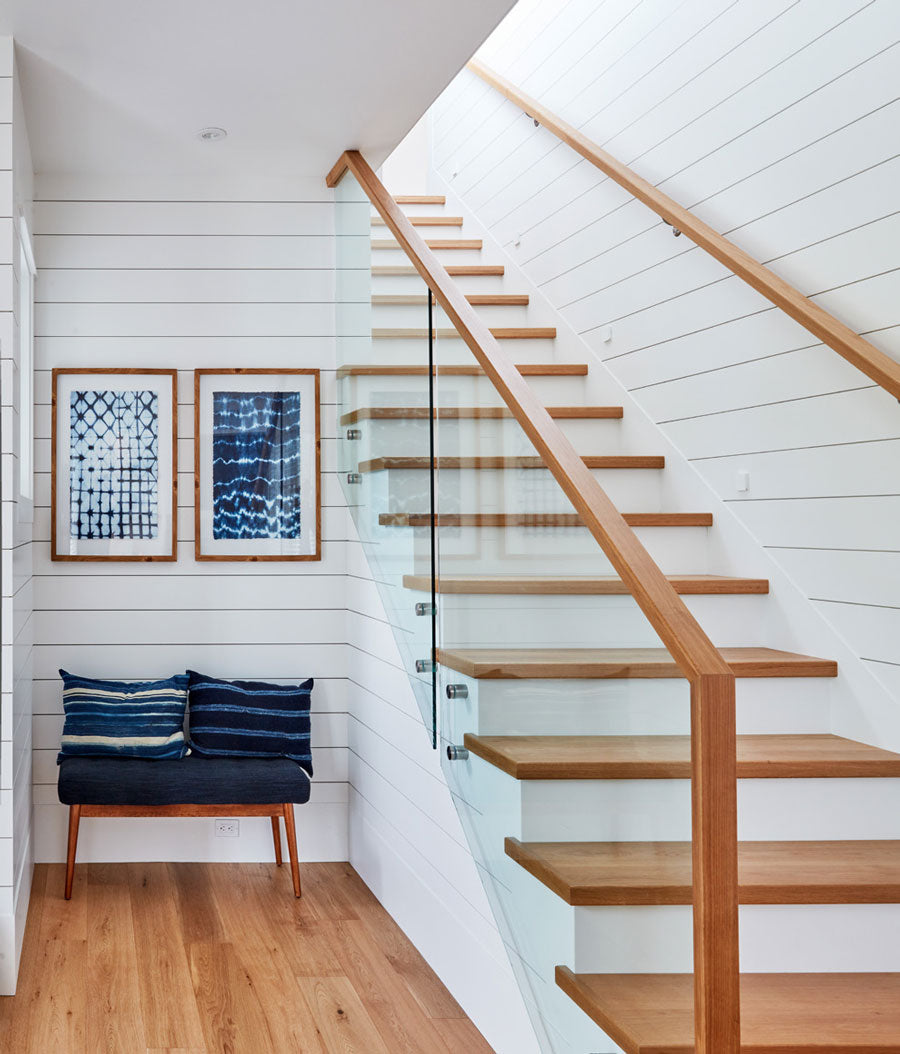
Real wood shiplap can be left natural with a clear sealer, stained, whitewashed, or painted. MDF shiplap is designed for paint and should always be primed and painted, as raw MDF will absorb moisture and degrade if left unsealed. The most popular current finish in contemporary interiors is white paint, which maximizes the visual contrast of the shadow gap.