


 Find Your Store
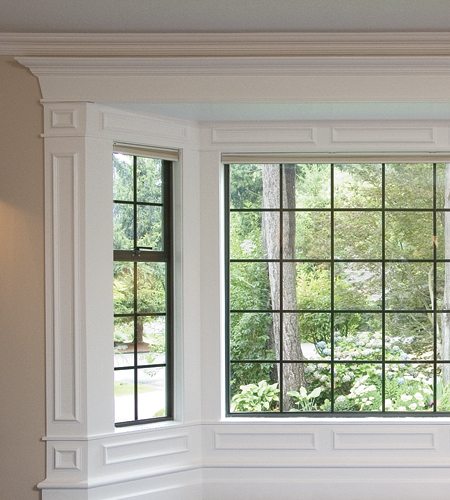
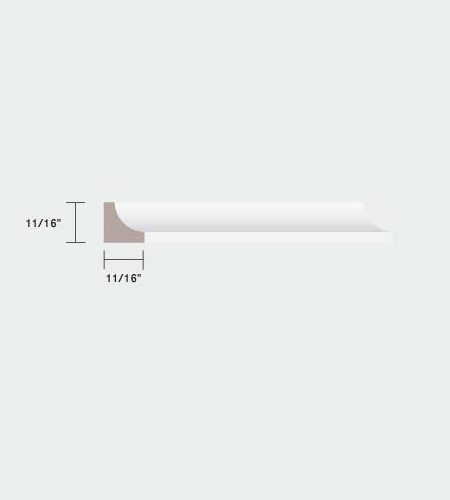
Add subtle elegance and smooth transitions to your interior spaces with cove moulding. Characterized by its concave profile, cove is a classic trim choice used to soften inside corners, highlight ceilings, or add detail to cabinets, shelving, and custom millwork. It’s ideal for both traditional and modern designs, offering a clean, understated finish that complements a variety of architectural styles. Available in multiple sizes and wood species—including pine and hemlock—our cove mouldings are precisely milled for easy installation and a flawless look. Whether you're completing a room renovation or tackling a detailed woodworking project, cove adds dimension and polish to any space. As a proudly Canadian company with locally owned stores, Windsor Plywood offers hard-to-find finishing materials and knowledgeable, one-on-one service. Visit your local store to browse our cove profiles and find the perfect trim to elevate your project.
Frequently Asked Questions
What MDF products does Windsor Plywood carry?
Windsor Plywood carries standard interior MDF in common thicknesses from 1/4 inch to 1 inch in standard 4x8 and 4x10 panels. Moisture-resistant MDF for kitchen and bathroom applications is also available. MDF is used for cabinet doors, drawer fronts, shelving, painted furniture components, and millwork profiles.
What is MDF and how is it made?
MDF (medium-density fibreboard) is an engineered panel product made by bonding wood fibres with urea-formaldehyde or other resin under heat and pressure. The result is a dense, consistent panel with no grain direction, no voids, and a very smooth surface. MDF is heavier than plywood of the same thickness and holds paint extremely well due to its uniform, non-porous face.
What are the main advantages and disadvantages of MDF?
MDF advantages include its smooth, consistent surface ideal for painted finishes, its stability without grain movement, and its ability to be machined to clean profiles without splintering. Disadvantages include its weight, susceptibility to moisture swelling at cut edges, lower screw-holding strength at edges compared to plywood, and the requirement for proper respiratory protection when cutting due to fine dust generation.
How do I seal MDF edges before painting?
MDF edges are porous and absorb much more paint than the face surfaces. Apply two coats of quality primer to all cut edges before finish painting, sanding lightly between coats. An oil-based primer or a dedicated MDF edge sealer seals the porous edge more effectively than water-based primer on the first coat. Properly sealed MDF edges accept paint comparably to the face surface.
Is moisture-resistant MDF the same as waterproof MDF?
No. Moisture-resistant MDF (often coloured green to indicate the treatment) has improved resistance to swelling from brief moisture exposure compared to standard MDF. It is appropriate for kitchen and bathroom environments with indirect moisture exposure. It is not waterproof and will still swell and fail with prolonged or direct water contact. For fully wet applications, use moisture-resistant plywood or solid wood.