

 Find Your Store
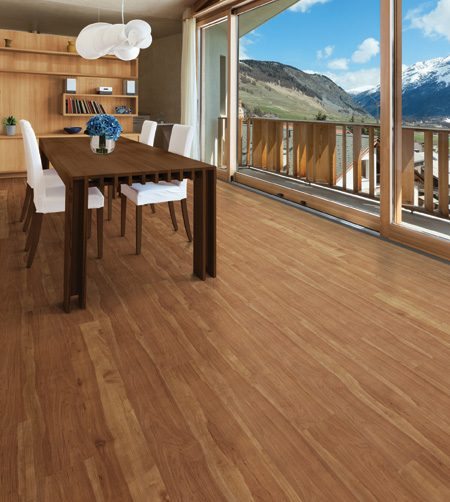
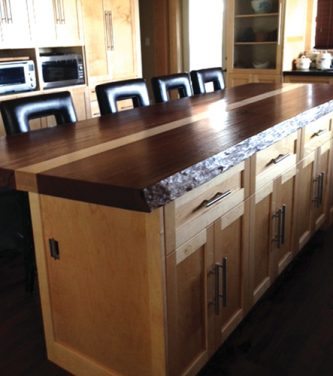
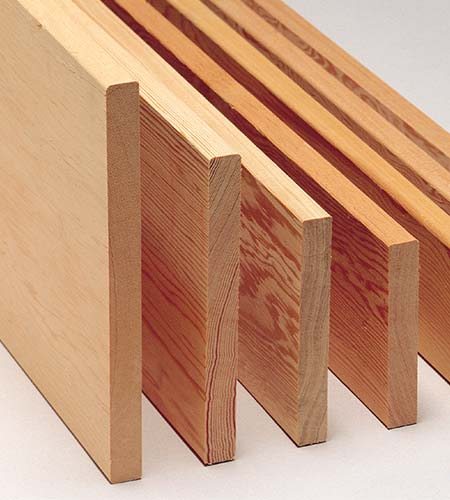
Discover the natural beauty and enduring strength of hardwood. Perfect for furniture making, cabinetry, flooring, and custom woodworking projects, our hardwood selection includes a wide variety of species such as maple, ash, walnut, birch, cherry, and more. Whether you’re looking for rough-sawn lumber or live edge slabs, we carry top-quality hardwoods in a range of sizes and finishes to meet your needs. Each piece is carefully sourced for character, grain consistency, and long-lasting performance, ideal for both DIYers and professional craftsmen. As a proudly Canadian company with locally owned stores, Windsor Plywood specializes in hard-to-find wood products and offers expert, one-on-one service to help you bring your vision to life. Visit your local store to browse our full hardwood selection and get the guidance you need for your next project.
Frequently Asked Questions
What is ipe and what makes it suitable for decking?
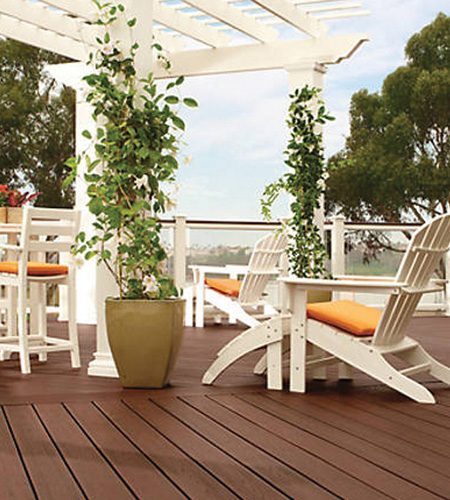
Ipe (Handroanthus spp.), also called Brazilian walnut, is a dense South American hardwood with a Janka hardness of approximately 3680 — over three times harder than Douglas fir and harder than most composite decking. It has natural oils that make it resistant to rot, insects, and moisture without chemical treatment. Ipe is one of the most durable natural decking materials available and is commonly specified for high-traffic commercial decks, boardwalks, and exterior structures.
How does ipe compare to composite decking for longevity?
Ipe properly maintained can last 40 to 75 years or more in exterior applications, significantly outlasting most composite decking products which carry 25 to 30-year warranties. The trade-off is that ipe requires annual or biennial oiling to maintain its appearance and slow surface greying. Composite decking requires minimal maintenance. The choice depends on whether natural wood appearance and exceptional longevity or low maintenance is the priority.
Does ipe require special installation techniques?
Yes. Ipe's density (it sinks in water) requires pre-drilling all fastener holes to prevent splitting. Standard screws may snap without pre-drilling. Carbide-tipped drill bits are recommended due to ipe's hardness. Stainless steel fasteners are required, as the natural acids in ipe accelerate corrosion of standard galvanized fasteners. Hidden fastener clips are an alternative to face screwing.
What finish should I apply to ipe decking?
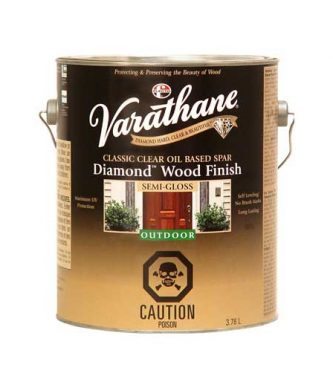
Apply a penetrating exterior hardwood decking oil formulated for dense tropical hardwoods such as ipe-specific or teak-specific oils. Standard deck stains and sealers penetrate poorly into ipe's dense grain. Ipe naturally weathers to an attractive silver-grey patina if left unfinished — many owners choose to let it weather naturally. Once it has greyed, the colour can be restored with an ipe brightener and oil application.
Is ipe sustainably sourced?
Ipe sourcing practices vary significantly by supplier. FSC-certified ipe is available from responsibly managed South American forests. Uncertified ipe has historically been associated with illegal logging in the Amazon region. Windsor Plywood sources exotic hardwoods through established supply channels. Ask specifically about chain-of-custody documentation when purchasing ipe for environmentally conscious projects.