

 Find Your Store
Build better cabinets with the materials and hardware available at Windsor Plywood. Whether you are constructing kitchen cabinets from scratch, upgrading existing cabinetry, or sourcing components for a renovation project, Windsor Plywood carries everything you need under one roof. Our selection includes cabinet-grade hardwood plywood and MDF sheet goods for box construction, solid wood and MDF door and drawer components, Blum hinge and drawer systems with BLUMOTION soft-close technology, Hickory Hardware cabinet hardware in a range of styles and finishes, undermount and side-mount drawer slides, and specialty fasteners for cabinetry assembly. From the box to the hardware, Windsor Plywood supplies both professional cabinet makers and dedicated DIYers with the quality materials needed to produce durable, functional, and visually refined cabinetry. Visit your local Windsor Plywood to browse our cabinetry selection and speak with our team about your project requirements.
Frequently Asked Questions
What countertop materials does Windsor Plywood carry?
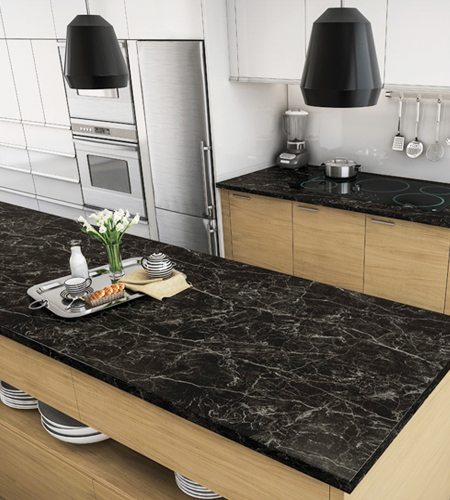
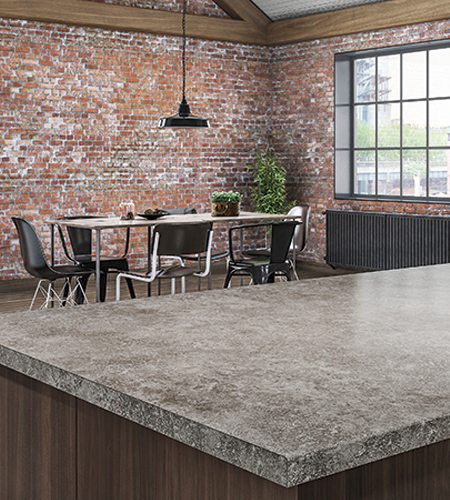
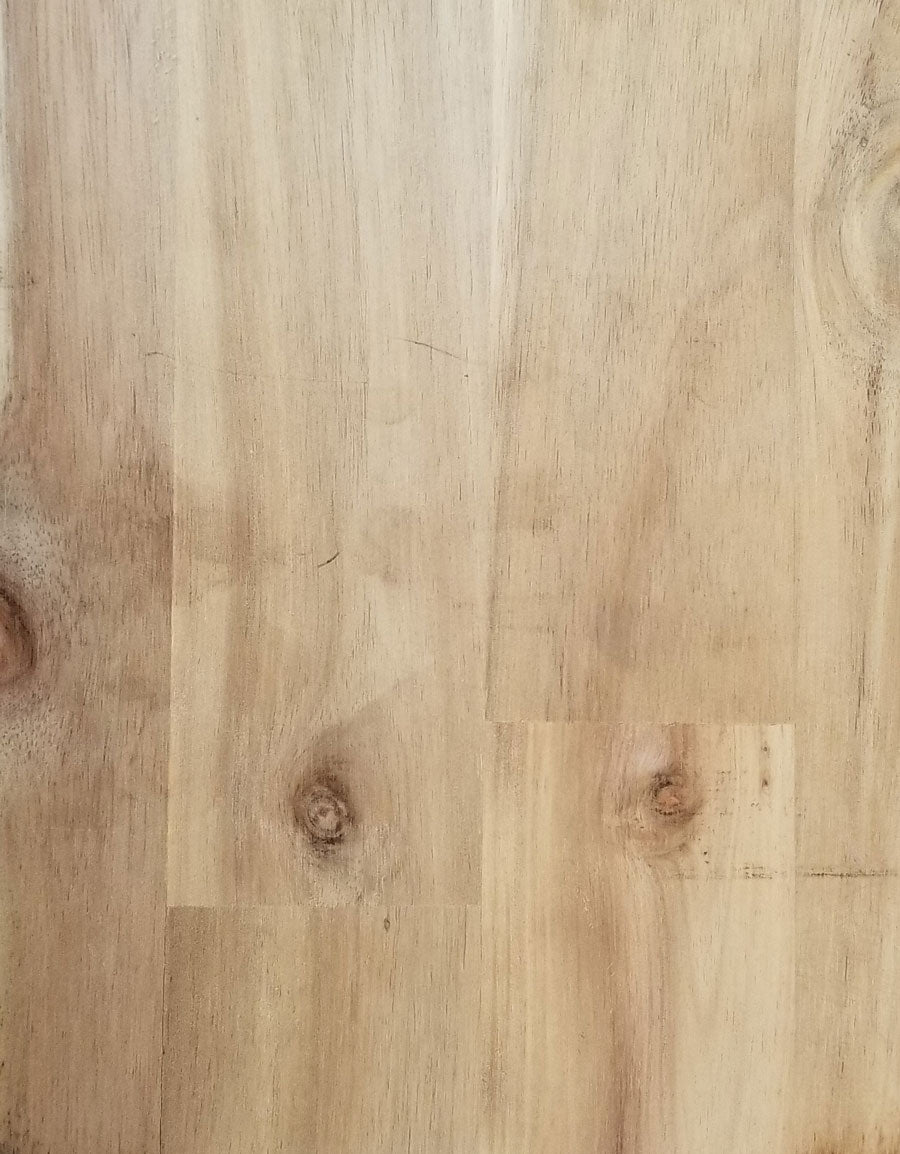
Windsor Plywood carries countertop substrate and surfacing materials including Arborite high-pressure laminate sheets for countertop fabrication, MDF and particleboard substrate panels, and hardwood butcher block suitable for kitchen island and countertop applications. Windsor Plywood is the material source for custom countertop fabrication rather than a finished countertop retailer.
What laminate countertop substrate does Windsor Plywood carry?
Windsor Plywood carries 3/4-inch and 1-1/2-inch particleboard and MDF panels for countertop substrate, and Arborite high-pressure laminate sheets for the finished surface. The standard countertop construction bonds Arborite laminate to a particleboard core with contact cement, with a matching or complementary laminate on the underside to balance the panel and prevent warping.
What is the best substrate for laminate countertops?
High-density particleboard is the industry standard for laminate countertop substrates. It provides a stable, consistent surface that resists slight moisture exposure better than MDF, holds fasteners adequately for mounting hardware, and has been the proven countertop material for decades. MDF is an alternative with a slightly smoother face surface that can improve laminate bond consistency.
Are butcher block countertops practical for kitchen use?
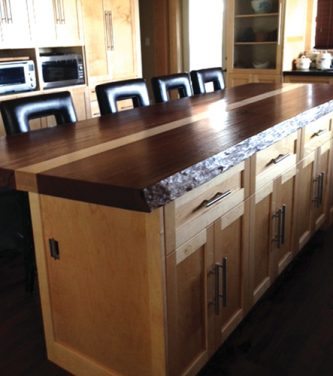
Yes. Hardwood butcher block countertops from Windsor Plywood are practical for kitchen use when properly sealed with food-safe mineral oil or a quality countertop finish. They can be sanded and refinished when scratched or stained, which is not possible with laminate. Butcher block should not be used as a cutting surface, as knife marks harbour bacteria and undermine the finish. A separate cutting board preserves the countertop surface.
Can Windsor Plywood fabricate countertops, or do I need to bring the materials to a fabricator?
Windsor Plywood supplies the materials for countertop fabrication — laminate sheets, substrate panels, edge banding, and adhesives — rather than operating a countertop fabrication service. The materials can be purchased and brought to an independent countertop fabricator, or DIY fabricated using standard woodworking tools. Windsor Plywood staff can advise on material quantities and the fabrication process for DIY projects.